
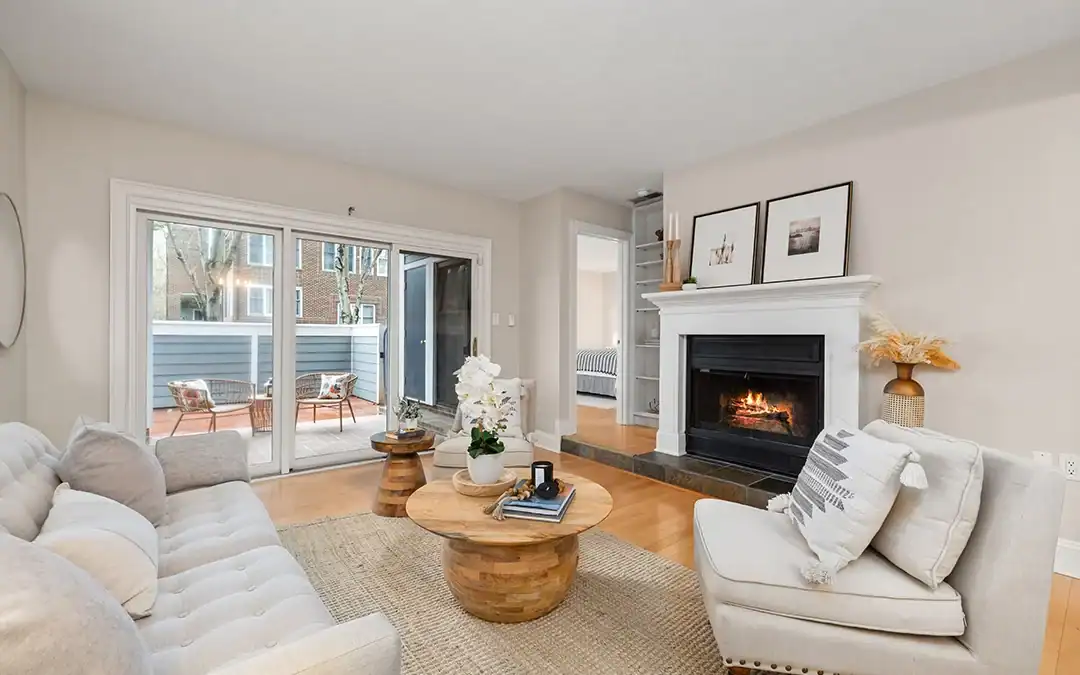
Condo insurance involves two policies working together: your association’s master policy and your own. Each covers a different part of the property, and knowing where one ends and the other begins tells you exactly what you need to insure. This is also the most common, and most costly, misunderstanding in this type of property insurance. Owners who assume the HOA covers everything often find the gap only after a loss, when it is theirs to pay.
With condos and townhomes making up a big share of housing across Colorado, this one’s worth five minutes.
The master policy: what the HOA actually covers
Your HOA carries a master insurance policy covering the building’s structure and common areas: the roof, exterior walls, hallways, elevators, the clubhouse, the landscaping. What it covers inside your individual unit varies from association to association, and exactly where the master policy stops is spelled out in your HOA’s declarations and governing documents. Most owners have never looked. You should, or hand them to us and we will.
Your half: the HO-6 policy
A personal condo policy (called an HO-6) fills in everything the master policy leaves out:
Walls-in property coverage: Your cabinets, flooring, built-ins, light fixtures, and any upgrades, like the kitchen remodel or the new hardwood. After a fire or burst pipe, rebuilding the *inside* of a unit routinely runs into six figures. This is the number most condo owners have set too low, especially if they’ve renovated since buying. Part of the reason: condo policies often have no traditional replacement cost estimator to help calculate your coverage needs or keep the limit pacing with inflation. The walls-in number is largely up to you and your agent to set correctly, and to revisit as building costs rise.
Your belongings: Furniture, electronics, clothing: the master policy never covers your personal property, full stop.
Personal liability: If a guest is hurt in your unit, or your washing machine hose floods the unit below, your HO-6 liability coverage responds, including defense costs. Water flowing downhill into a neighbor’s unit is *the* classic condo claim.
Loss of use: Hotel and living expenses if a covered loss makes your unit unlivable.
Loss assessment: the coverage condo owners don’t know they need
Here’s the part that surprises even careful owners. When something big happens to the building, such as hail destroying the roofs or a fire damaging a common area, and the master policy’s coverage or deductible falls short, the HOA can pass the shortfall to owners as a “special assessment”. With weather-related master policy deductibles rising sharply in recent years (some HOAs now carry large percentage-based wind/hail deductibles), assessments of thousands of dollars per unit have become a common occurence.
Loss assessment coverage: is an inexpensive addition to your HO-6 that helps pay your share of a covered assessment. Given Colorado’s hail reality, we consider it near-essential for condo and townhome owners here, and worth carrying at a higher limit than the default.
The Bottom Line
Every condo owner’s situation is a little different, and the details in your HOA’s documents shape what your HO-6 policy should include. A short review is the easiest way to be confident that nothing important is left uncovered.
—
*4G Insurance Brokers is an independent agency offering personal, commercial, specialty, and Medicare insurance solutions across Colorado. This article is for general informational purposes and is not a substitute for personalized advice about your specific coverage or your association’s governing documents.*