
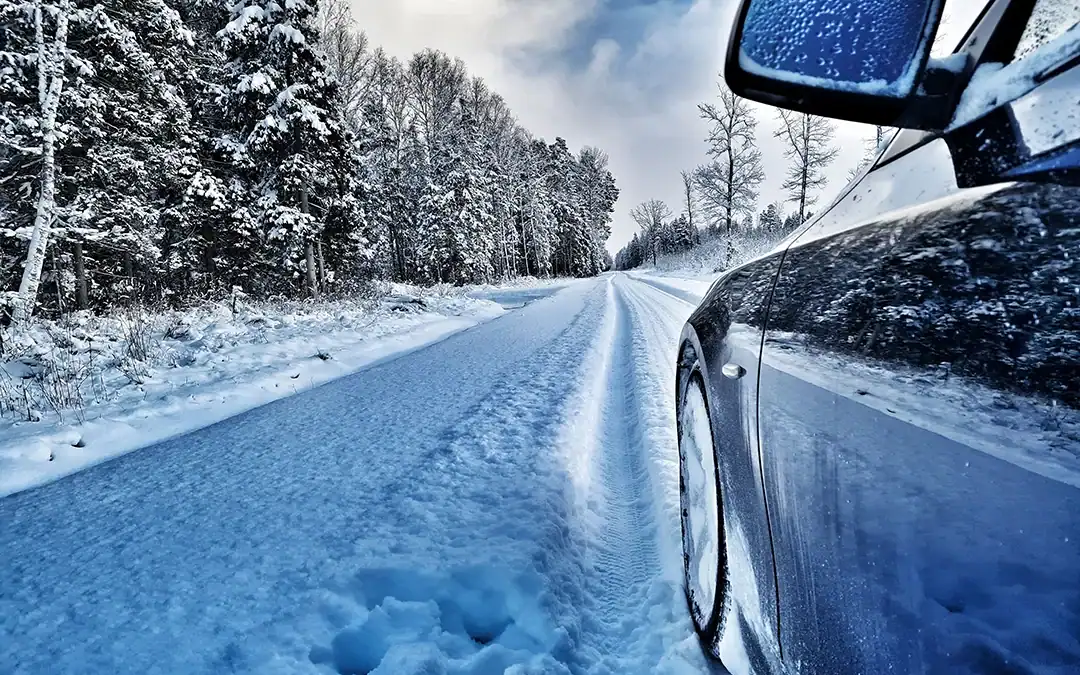
Winter driving changes what can go wrong on the road. Ice reduces traction, deer and elk are most active at dusk and dawn, and road treatment kicks loose gravel onto windshields. Each of those hazards produces a different kind of damage. Importantly, each is handled by a different part of your auto policy. Understanding which coverage responds to what makes a real difference to your wallet and your record.
This guide walks through winter driving and your auto policy, built around the situations Colorado drivers encounter most.
You slide on ice and hit something: that’s collision
If your car slides on ice into another vehicle, a guardrail, a mailbox, or a ditch, the damage to your car falls under collision coverage. You’ll pay your collision deductible, and because this is typically treated as an at-fault loss, it can affect your rate at renewal.
You hit a deer: that’s comprehensive, and it’s treated differently
Striking an animal is covered under comprehensive coverage, not collision. That distinction matters because comprehensive claims are considered “not-at-fault” and typically have far less impact on your premium than a collision claim.
The gravel-cracked windshield
Winter road treatment means loose gravel, and loose gravel means windshield chips. Glass damage falls under comprehensive coverage, and policies can offer full glass coverage, a reduced glass deductible, or free chip repair. These options vary widely by carrier, so it is best to ask your agent which is available on your policy. A small chip repair now beats a far pricier windshield replacement in March, especially on newer vehicles where camera recalibration adds to the bill. If you don’t know what your glass coverage looks like, it takes us two minutes to check.
Roadside assistance earns its keep in winter
Dead batteries, cars stuck in snowbanks, keys locked inside while the engine warms up: winter is when roadside assistance goes from “nice to have” to genuinely valuable. It’s typically an inexpensive add-on covering towing, jump starts, winching, and lockouts, and if you don’t have it, adding it mid-policy is usually simple.
“Will my rate go up if I file?”
The honest answer: it depends on the type of claim. Comprehensive claims (deer, glass, falling ice) generally have minimal rate impact. Collision claims where you’re at fault are more likely to affect your premium. For small losses close to your deductible, it sometimes makes sense to pay out of pocket, and that’s exactly the kind of judgment call we’re happy to talk through before you file, with no obligation.
Your winter driving coverage checklist
- Know your collision and comprehensive deductibles (and that you have both; liability-only means slide damage to your own car isn’t covered at all)
- Check whether you have full glass coverage
- Add roadside assistance if you don’t have it
- Ask about rental car coverage, which helps pay for a rental while your car is in the shop after a covered claim
- Keep both your insurance card and your carrier’s app handy
The Bottom Line
Winter is when auto coverage stops being theoretical. Five minutes reviewing your deductibles and add-ons now can save you real money, and real stress, when the roads turn.
4G Insurance Brokers is an independent agency offering personal, commercial, specialty, and Medicare insurance solutions across Colorado. This article is for general informational purposes and is not a substitute for personalized advice about your specific coverage.